




Heat rash on the face: causes, treatment, and skin care tips
Heat rash on the face is often misidentified. It’s easily mistaken for a regular pimple, temporary irritation, or other skin rashes. However, this skin condition has its own distinct signs.
Why breakouts appear in the heat
People often wonder: why does the skin react when we haven’t even been in the sun? In reality, heat alone is enough. When the body sweats more, the sweat glands can become temporarily clogged. Sweat then drains less effectively, which promotes the appearance of small skin rashes, also known as miliaria.
Is it possible to get heat rash without sun exposure?
Yes, absolutely. You don’t need direct sun exposure for heat rash to appear. A hot room, a stifling night, non-breathable clothing, or areas of friction in skin folds can be enough. The skin reacts to temperature, not just to UV rays.
- Visible redness: the skin may appear redder and warmer, sometimes over a widespread area.
- Small bumps: bumps or small rashes may appear, sometimes accompanied by tenderness.
- Localized discomfort: itching, tingling, or a sensation of heat may develop.
- Areas most affected: the face, certain body folds, and areas prone to friction are often the most affected.
This isn’t necessarily a sign of sensitive skin. It’s often a temporary response by the body to heat.
Who is affected by these bumps
We often think of babies and infants first. It’s true: their sweat glands are still immature, which makes them more prone to heat rash. But adults can be affected as well. In the summer, or during very hot spells, the skin can become unbalanced regardless of its type.
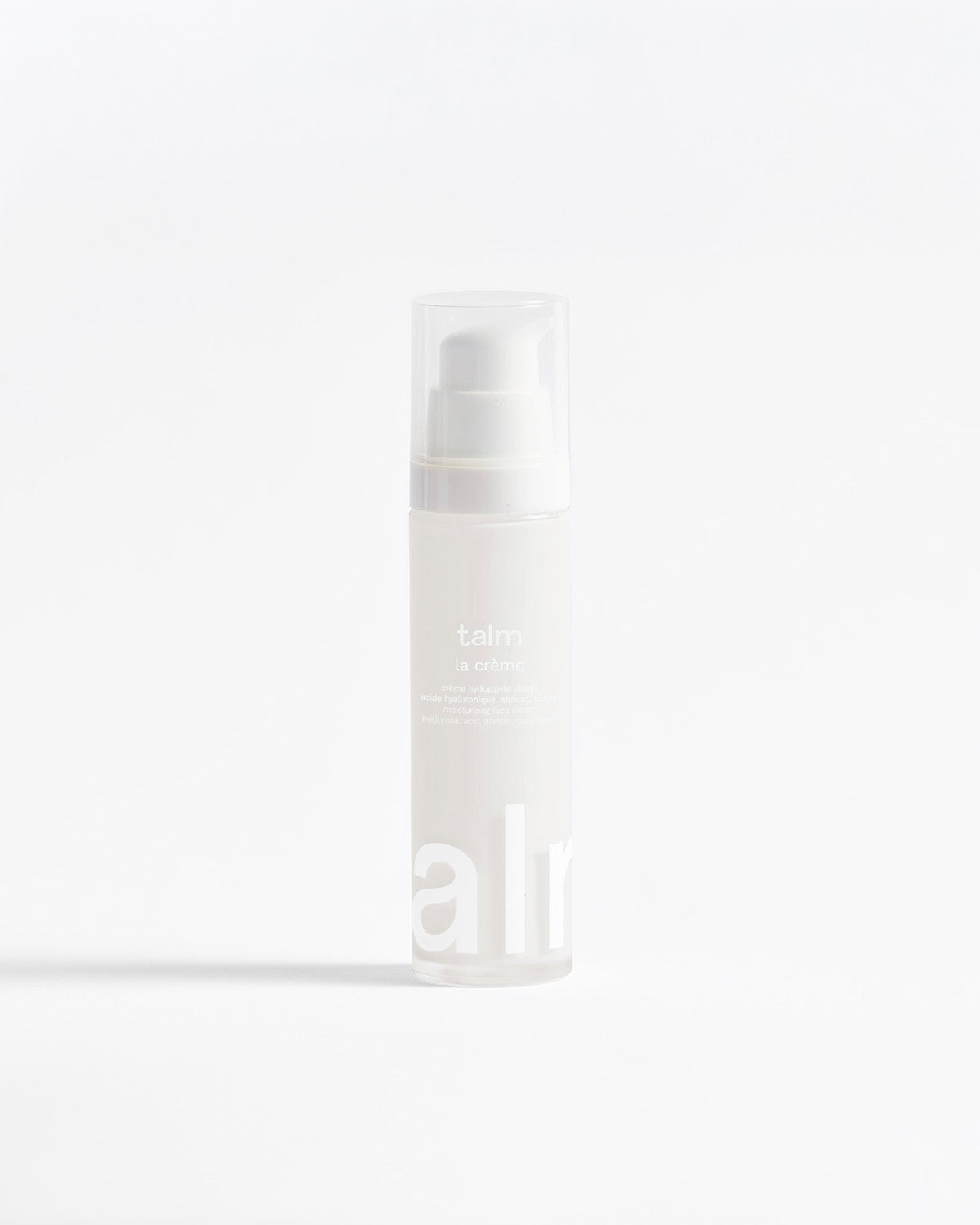
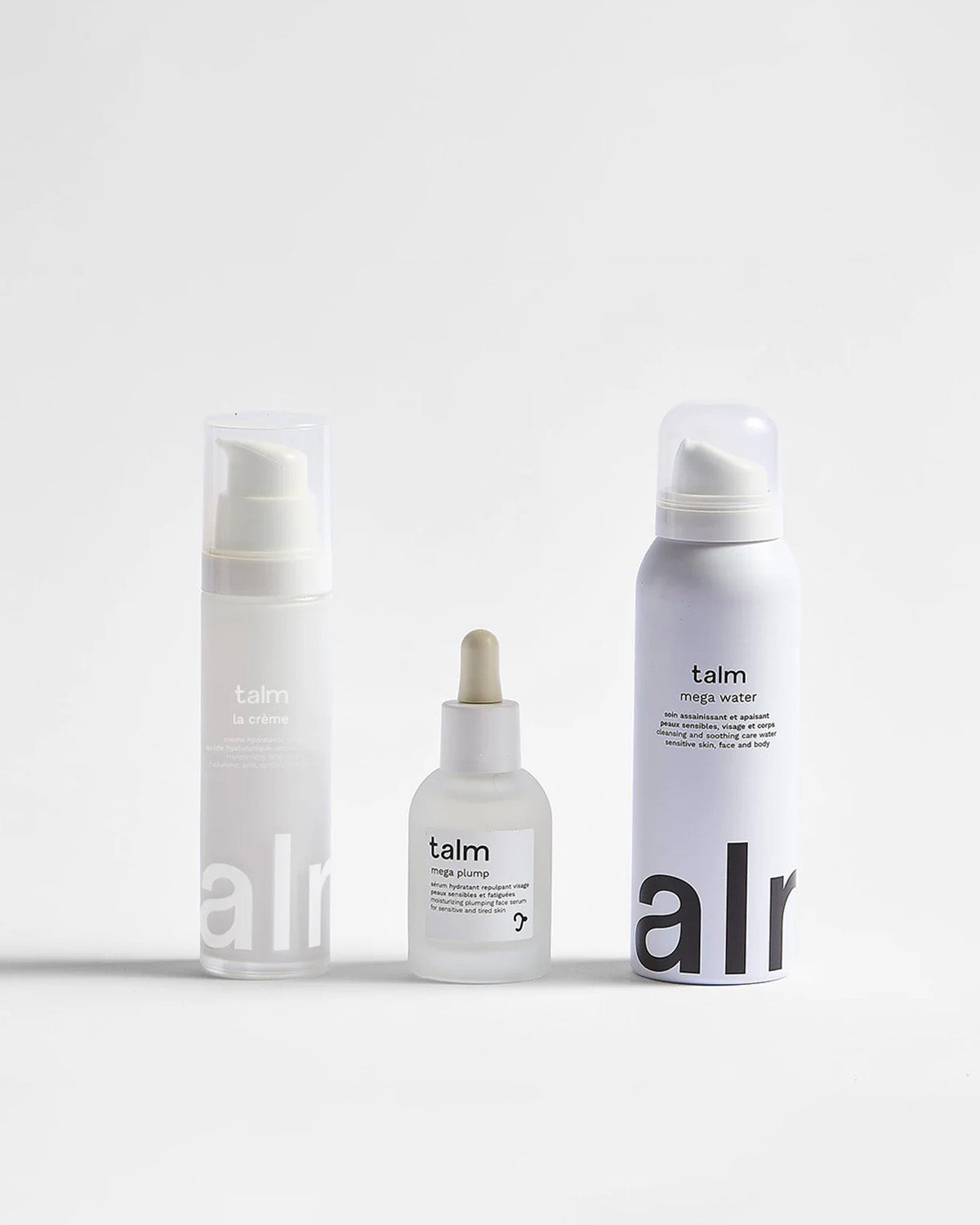
When the heat sets in, the priority is to make the skin more comfortable: soothe it, cool it down, and limit what contributes to overheating. With this in mind, a Mega Water Soothing Mist can gently support the skin without overdoing it.
What really happens beneath the skin in hot weather
We first notice the pimples on the surface. However, the real action takes place deeper down. When we better understand what’s happening inside the body, it becomes easier to recognize a heat rash, soothe the symptoms, and adopt skin-friendly care routines.
Microcirculation and heat rash: the mechanism explained
When it’s hot, the body activates several mechanisms to restore its balance. Microcirculation speeds up, blood vessels dilate, and the skin gets warmer. At the same time, sweating increases: this is a normal, useful, and natural response.
But sometimes, sweat doesn’t drain properly. The cause: a blockage of the sweat ducts. These small ducts, connected to the glands, normally allow sweat to reach the skin’s surface. When they become blocked, sweat remains trapped beneath the skin, which promotes inflammation and the development of skin rashes.
This mechanism is what causes miliaria, and more specifically red miliaria, which often appears as red bumps, papules, or clusters of small bumps on certain areas of the body. In some cases, a deep heat rash may also develop, which is more deeply embedded, more tender, but linked to the same imbalance in the sweat ducts.
Redness, itching, inflammatory bumps: symptoms to recognize
Symptoms can appear quickly, especially after intense heat, physical activity that increases sweating, or prolonged exposure of the skin to a hot and humid environment.
The reaction can manifest in several ways:
- Small bumps: often clustered together, sometimes clear, sometimes red. These are frequently papules associated with red miliaria.
- Red bumps: these indicate more visible inflammation and are often concentrated in a localized area.
- Itching: this is sometimes accompanied by a tingling or burning sensation, especially when sweat continues to irritate the skin.
- Increased tenderness: in more severe cases, a deep heat rash may appear more swollen or cause greater discomfort.
The summer paradox: dehydration and excess sebum
When it’s very hot, we often think the skin needs light, non-greasy products above all else. That’s true. But what we tend to overlook is that the skin can also be dehydrated at the same time. In summer, shiny skin isn’t necessarily well-balanced skin.
Why hydration remains a priority, even for oily skin
Due to the heat, the water in the skin evaporates more quickly. Even oily skin can end up lacking hydration. That’s the paradox of the season: your skin may look shinier, but you may also feel more discomfort.
- Tightness: the skin lacks water, even if it appears oilier on the surface.
- Dull complexion: when hydration levels drop, the skin’s natural radiance can fade.
- More pronounced shine: this doesn’t always indicate excess sebum, but sometimes skin trying to compensate.
- General discomfort: redness, tingling, or sensitivity may appear more easily.
Heat-induced breakouts and sebum: a vicious cycle to break
When the skin becomes dehydrated, it may produce more sebum as a defense mechanism. This excess can clog the glands and contribute to the development of heat-induced breakouts. This sets off an uncomfortable cycle: lack of moisture, excess sebum, breakouts, and then renewed discomfort.
Light, refreshing formulas often help restore balance while allowing the skin to breathe.
What your skin really needs in extreme heat
When it’s very hot, we often feel the urge to do more. Add a layer, step up your routine, provide extra protection. Yet the skin often asks for the opposite: fewer products, a lighter feel, and more freshness. When the body heats up, perspiration increases, and sweat lingers on the skin, the skin’s balance becomes more fragile.
Skincare products and textures to avoid if you have heat rash
Heat rash is more likely to develop when the skin can’t breathe properly. Heat, humidity, friction, skin folds, excessive sweating, or clogged pores create the perfect conditions for small bumps, inflammation, and discomfort. And if the skin produces more sebum as a defense mechanism, certain textures can make the problem worse.
It’s simply a matter of making better choices:
- Thick, occlusive creams: they trap sweat, promote maceration, and restrict the skin’s ability to breathe, especially in skin folds.
- Fragranced lotions: on skin already sensitized by heat, they can exacerbate inflammation and redness.
- Petrochemical-based products: they leave a very tight film on the skin’s surface, which can interfere with natural perspiration and clog pores.
- Overly drying soaps: they weaken the skin barrier, disrupt hydration, and can trigger excess sebum production as a reaction.
Simple steps to soothe the skin every day
To prevent heat rash, a few daily habits can really make a difference.
Opt for cool showers: they help the body feel more comfortable and limit reactive sweating. Afterward, gently pat the skin dry, paying special attention to skin folds, which are often more moist.
You can also choose loose-fitting clothing made of cotton or linen: these materials reduce friction, excessive sweating, and the buildup of sweat. Finally, drinking water regularly supports the body’s overall hydration and helps the skin stay more supple, even when the air is hot.
Mega Water™, the gentle treatment for heat rash
In the summer, the skin can quickly feel tight, become red, and feel hot. When heat rash or small bumps appear, what you want most is coolness, comfort, and a little relief. It’s precisely in these moments that Mega Water™ comes into its own: as a simple, lightweight, and reassuring solution, designed to support the skin without suffocating it.
A soothing mist designed for every instance of heat rash
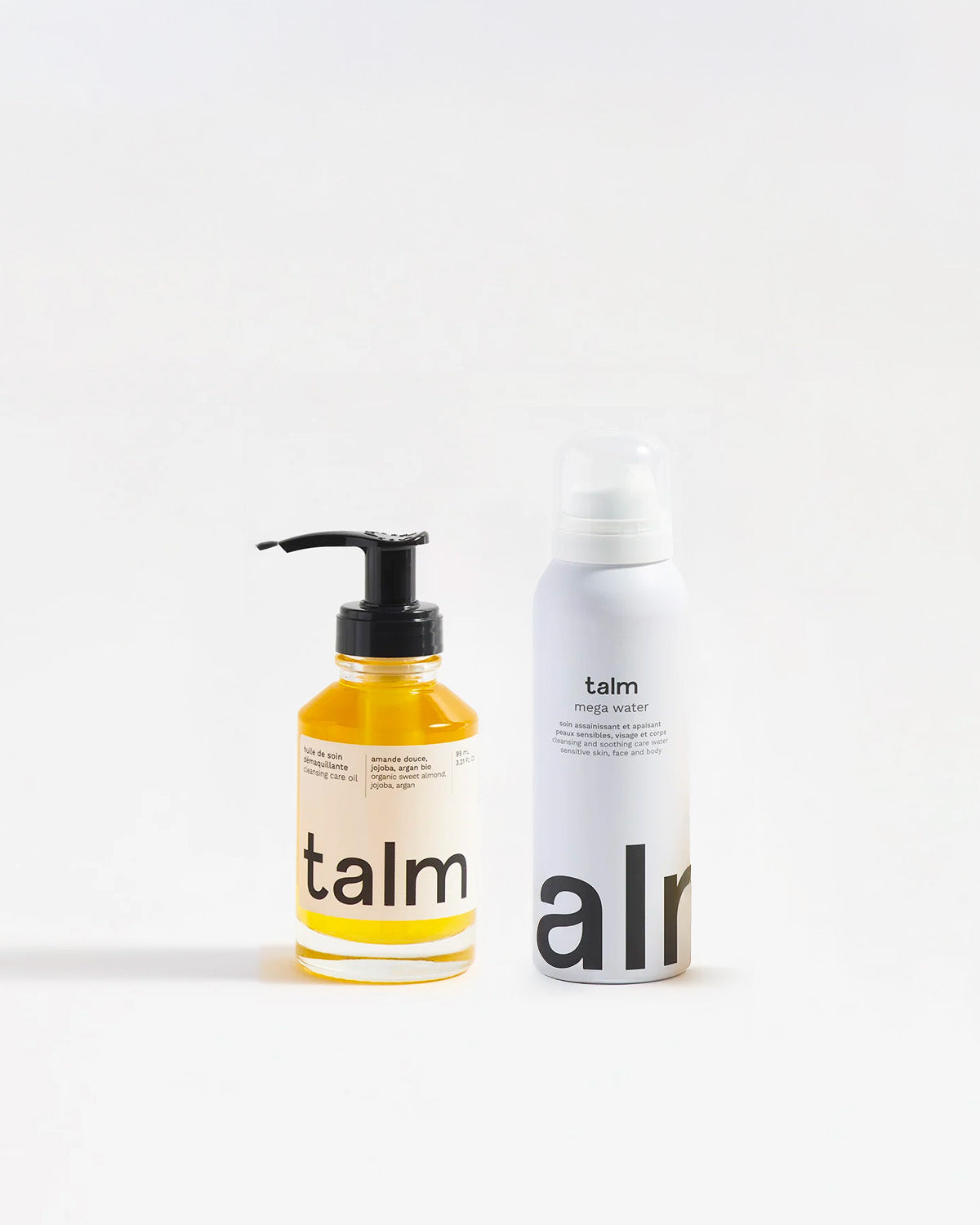
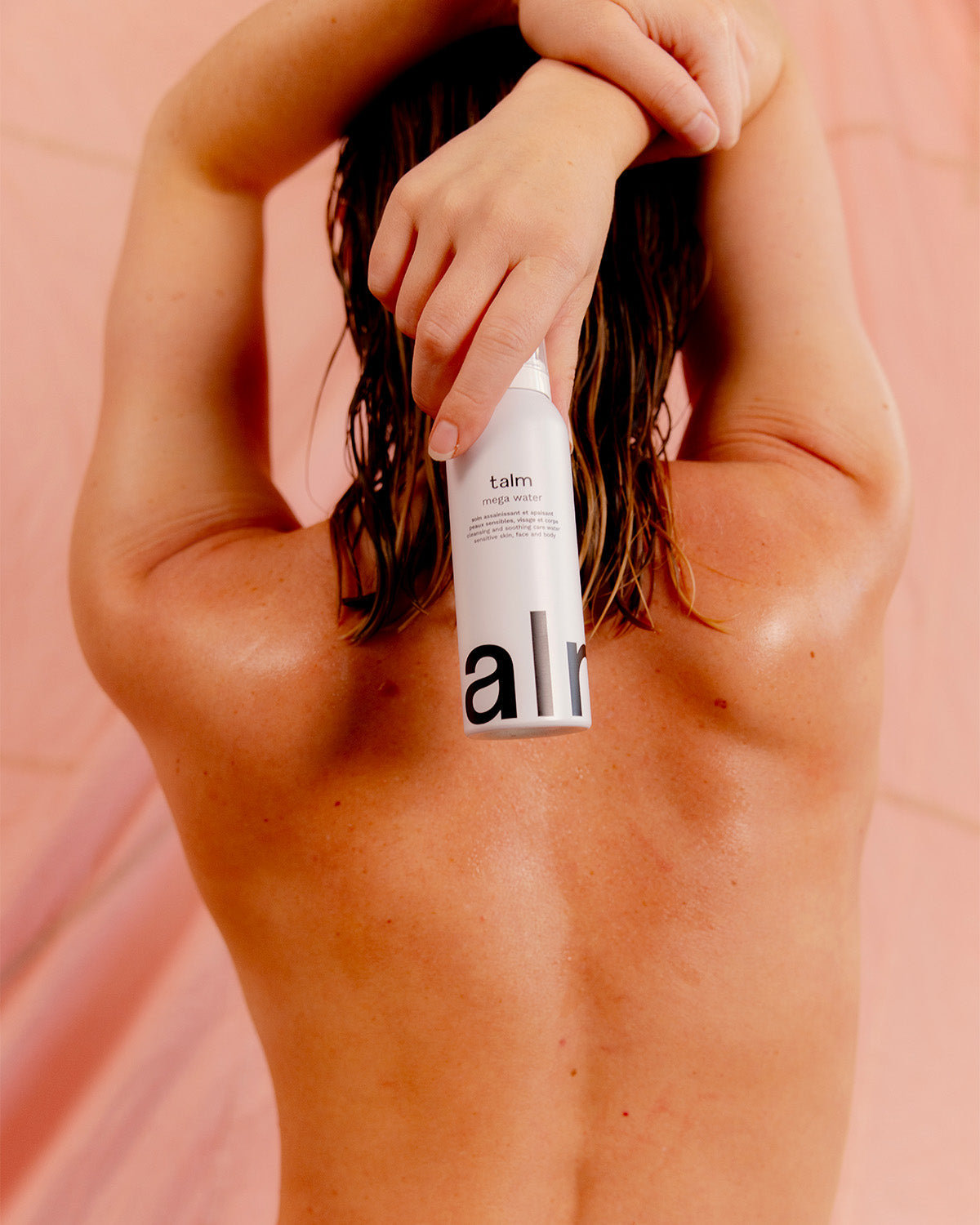
When the skin feels hot and small blemishes start to appear, you need an immediate and lightweight solution. Mega Water™ is a patented soothing mist, formulated with SPMCE biomimetic technology, designed to address exactly this situation. It provides immediate hydration, helps visibly reduce heat-related blemishes, and calms redness upon application. Its 100% naturally derived formula is also suitable for sensitive skin.
- Instant hydration: it helps the skin replenish moisture without feeling heavy or leaving a suffocating finish.
- Visible soothing: thanks to its essential minerals (silicon, phosphorus, magnesium, calcium), it helps calm feelings of discomfort and redness.
- Supports the skin barrier: it helps the skin withstand heat-related stressors while maintaining its lightness.

How and when to use Mega Water™ on the skin
This soothing mist is used morning and night after cleansing, before other skincare products. It helps prepare the skin while immediately providing a sensation of freshness and comfort.
And if heat rash flares up throughout the day, Mega Water™ can also be used at any time: at the office, on the go, in the car, or simply as soon as the skin starts to feel hot. A single spritz is all it takes to provide a moment of relief, without complicating your routine.
Frequently asked questions
How can you recognize heat rash and distinguish it from other skin reactions?
Heat rash, also known as miliaria, often looks like small red bumps or fine papules. This skin condition usually appears after exposure to heat or heavy sweating, when the sweat glands become temporarily blocked. It’s frequently seen in the body’s folds, but can also appear on the face.
The most common symptoms are easy to recognize: itching, tingling, and sometimes a sensation of warmth on the skin. If the bumps persist despite a cool environment, or if other signs such as a high fever appear, it’s best to consult a pediatrician for babies and infants, or a doctor for adults.
What treatment should you use to quickly relieve heat rash?
Treatment starts with a simple step: helping the skin return to a calm state. Seek a cool environment, keep the area well-ventilated, choose breathable clothing, and avoid anything that promotes sweating.
To soothe the rash, it’s also best to use light, moisturizing skincare products. Products with overly rich textures can worsen discomfort by clogging the glands. Regular cool showers can also relieve the rash and help prevent new breakouts.
Do heat rashes only affect babies?
No, not at all. Babies are often more susceptible because their sweat glands are still underdeveloped, but adults can also develop heat rash. It’s common when it’s very hot, especially if the body sweats heavily or remains in a poorly ventilated environment for a long time.
In any case, these symptoms are usually temporary as long as you keep the skin cool.
Read more

Stretch marks, dryness, acne… Discover our postpartum tips and skincare routines to take care of your body and restore healthy, hydrated skin.

When Léa wanted to become a mom, she looked for resources that reflected who she was. She couldn't find any. So she wrote them herself. Today, from Porto, where she lives with her wife and their da...