


Hair and nutritional deficiencies: which deficiency causes hair loss?

Hair and nutritional deficiencies: an often-overlooked connection. When hair loss sets in, we tend to think of stress, hormones, or the season. However, diet also plays an important role. Certain nutrients directly support the hair shaft, the growth cycle, and keratin production. When there’s a deficiency, hair can become more brittle, thinner, and sometimes duller. Here, we’ll help you better understand the nutritional deficiencies that may be to blame, the symptoms to look for, and practical steps to gently support your hair.
Hair loss due to nutritional deficiency
Losing your hair isn’t always inevitable. In some cases, hair loss caused by an unbalanced diet can be understood and then corrected. Often, the body sends several signals at once.
Why do nutritional deficiencies cause hair loss?
The hair follicle is living tissue. It needs energy, oxygen, protein, vitamins, and many other nutrients to function properly. When these supplies become insufficient, the hair growth cycle can become disrupted: the hair enters the telogen phase more quickly and then falls out. This is often referred to as diffuse hair loss: hair falls out evenly across the scalp, without affecting any specific area.
Several deficiencies can contribute to this type of hair fragility:
- Iron: it helps ensure proper oxygenation of the follicle. A deficiency is often associated with hair loss linked to a decline in iron stores.
- Zinc: it supports keratin synthesis and helps keep the hair shaft stronger.
- Vitamin D: it helps maintain the balance of the hair growth cycle and promotes healthy regrowth.
- Vitamin B12 and biotin: these support cell renewal and the metabolism necessary for keratin production.
- Insufficient protein intake: since hair is largely composed of keratin, a protein, too little protein can weaken the hair shaft itself.
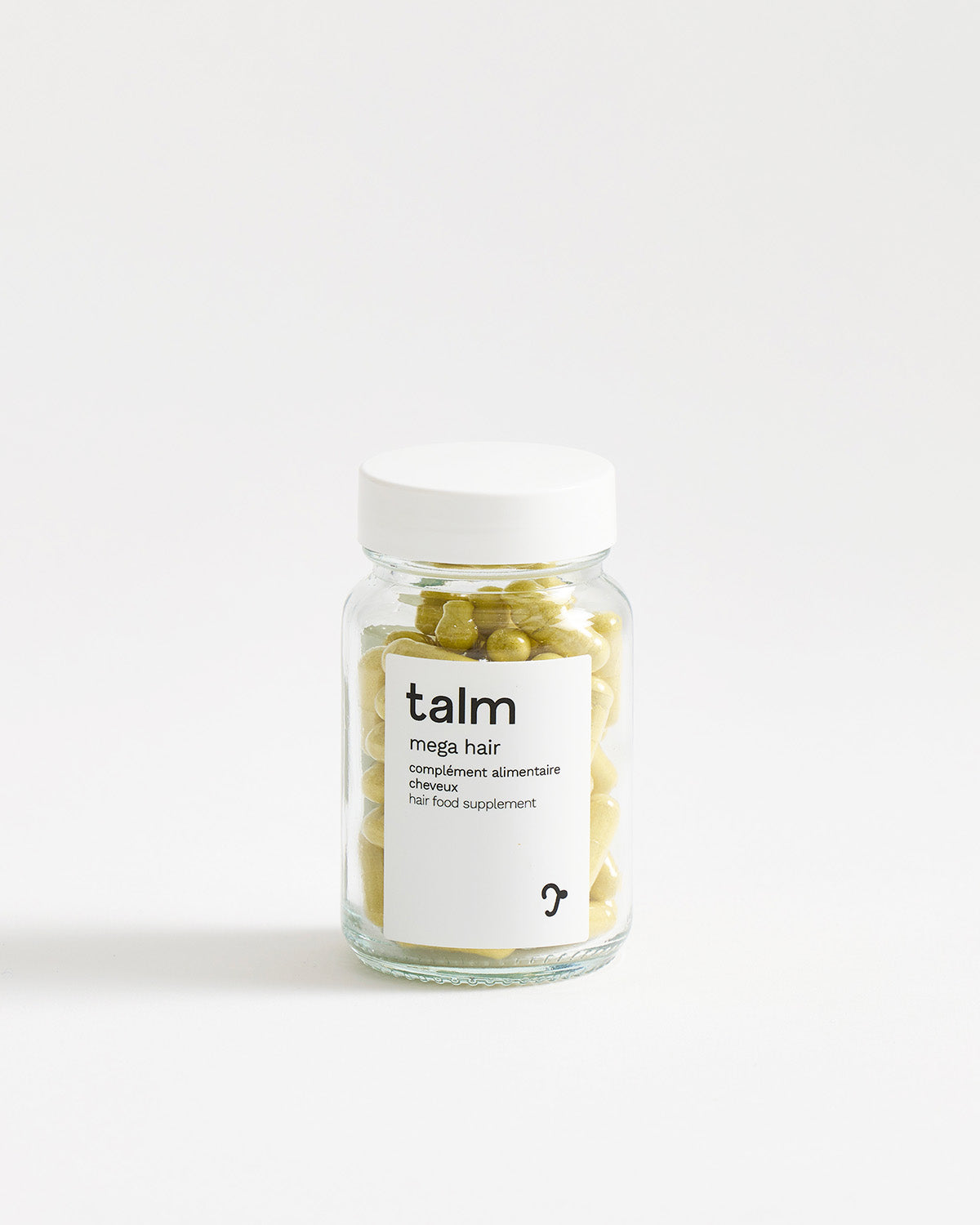
These deficiencies rarely cause a single isolated symptom. More often, a consistent set of signs is observed: fatigue, brittle nails, sometimes drier skin, and the feeling that the hair has lost its body. In this context, appropriate nutritional support can help, particularly through a hair supplement designed for these periods of fragility.
What signs indicate hair loss caused by nutritional deficiencies?
Hair loss due to nutritional deficiencies doesn’t always occur suddenly. Often, it develops gradually. Certain signs may appear even before hair density seems to be noticeably decreasing:
- Dull hair: it reflects light less well and appears more lackluster.
- Brittle hair: the hair shaft becomes fragile, especially when there is a lack of essential nutrients.
- Diffuse hair loss: hair falls out evenly across the entire scalp, without any distinct patches.
- Slower regrowth: the hair growth cycle slows down.
This isn’t necessarily established alopecia, and it’s certainly not an irreversible condition. But these are useful signs to pay attention to in order to better understand what your body is trying to tell you.
How long does nutrient-deficiency-related hair loss last?
Nutrient-deficiency-related hair loss doesn’t stop overnight. There’s often a time lag between when the deficiency sets in and when hair loss becomes visible, because the hair growth cycle follows its own rhythm.
Once the nutritional cause is identified and the diet is adjusted accordingly, things generally improve gradually. First, you’ll notice less hair loss, then your hair will gradually regain its strength. Consistency is key.
If, despite making significant changes to your diet and nutrient intake, the situation doesn’t improve, it may be worth exploring other causes. Alopecia, a hormonal imbalance, or another cause of hair loss linked to a non-nutritional factor may also be at play.
Does a vitamin deficiency cause hair loss?
When hair loss sets in, we often think of stress, postpartum, or seasonal changes. And yet, a more subtle factor can also play a role: a vitamin deficiency. Certain vitamins, such as vitamin D, B12, or biotin, play a direct role in maintaining hair health. When these vitamins are lacking, the hair growth cycle can become disrupted, leading to diffuse hair loss—sometimes even before the cause is clearly identified.
Vitamin D and hair loss: what’s the connection?
In winter, hair loss can be partly attributed to a vitamin D deficiency. In France, this is a common occurrence during the colder months. This vitamin plays an important role in hair follicles: it helps regulate the growth cycle and supports the activity of receptors involved in regrowth.
When there is a vitamin D deficiency, the resting phase—known as the telogen phase—may last longer. As a result, regrowth occurs more slowly. Vitamin D also contributes to the formation of new follicles, which is important for maintaining hair density over time.
B vitamins (B8, B12, B3) and hair health
As for B vitamins, the link to hair loss is also very real. A vitamin B12 deficiency, for example, can disrupt cell division in the hair follicles; gradually, the hair shaft becomes thinner and the hair matrix weakens. This deficiency may be more common at certain stages of life, particularly after pregnancy, or in certain dietary patterns such as vegetarianism.
Biotin, also known as vitamin B8, helps maintain healthy hair. It plays a role in the metabolic processes involved in the production of keratin, a structural component of the hair shaft (the protein that gives it its strength). Vitamin B3, or niacin, supports the overall balance of the scalp. In practice, these vitamins work together: better hair health is often observed with a balanced intake of B vitamins than with an isolated approach.
Iron, zinc, and protein: deficiencies that cause hair loss
When hair loss sets in, people often think of a vitamin first. However, other nutritional factors are just as important. Iron, zinc, and each protein all play a direct role in the strength of the hair shaft, keratin production, and, more broadly, hair health.
These imbalances aren’t always immediately apparent. But over time, a deficiency can lead to diffuse hair loss, duller hair, brittle hair, or even brittle nails.
Iron deficiency and hair loss: mechanisms and diagnosis
Hair loss linked to low iron stores is one of the most common nutritional causes in women. Iron helps transport oxygen to the hair follicles. When iron intake becomes insufficient, the hair bulb slows down. The result can be diffuse, progressive hair loss, often accompanied by fatigue and other subtle symptoms.
The most useful indicator remains ferritin, which reflects iron stores. A low level may be sufficient to cause hair loss, even in the absence of diagnosed anemia. To make an accurate diagnosis, a blood test ordered by a healthcare professional remains the most reliable approach. This is also what allows one to distinguish a simple, temporary drop from a more established deficiency.
| Deficiency | Primary hair-related sign | Other associated symptoms |
| Iron | Diffuse hair loss | Fatigue, pallor, brittle nails |
| Zinc | Fragile, fine, brittle hair | Dry skin, slow wound healing |
| Vitamin D | Slowed hair regrowth | Chronic fatigue, low mood |
| Vitamin B12 | Hair lacking volume, dull | Fatigue, mild neurological symptoms |
| Protein | Weakened hair shaft | Loss of muscle mass, general weakness |
Zinc: a key nutrient for the hair shaft
Zinc deficiency sometimes goes unnoticed. Zinc plays a role in the synthesis of keratin, the essential protein that gives the hair shaft its structure. It also supports cell division at the hair bulb and helps regulate sebum production.
When there is a deficiency, the hair’s texture often changes even before hair loss becomes apparent: the hair appears thinner, more brittle, and less dense. In cases of dietary deficiencies, this fragility can develop gradually, especially if the diet or eating plan lacks variety.
Proteins and sulfur-containing amino acids for strong hair
Hair is made of matter. And this matter depends primarily on dietary intake. Proteins provide the building blocks of keratin, while certain sulfur-containing amino acids, such as cysteine and methionine, contribute to the strength and resilience of the hair shaft.
When protein intake becomes insufficient, the hair structure can weaken: growth slows, the hair shaft loses its strength, and hair loss may seem more pronounced. This can happen during periods of fatigue, restrictive dieting, or unbalanced eating habits.
A simple approach can make a difference: include protein throughout the day, such as eggs, legumes, dairy products, or fish, depending on your personal preferences. If hair loss persists or is accompanied by other signs such as brittle nails, fatigue, or very fine hair, a blood test prescribed by a doctor can help identify the specific cause.
Hair and fatigue: when nutritional deficiencies and hormones intersect
Hair loss rarely occurs on its own. It’s often noticed during a broader period of fatigue, stress, or internal changes. It’s not “all in your head,” nor is it mere coincidence: these imbalances can interact and compromise the hair’s health.
Persistent fatigue and hair loss: what’s the nutritional link?
When energy levels drop, hair can also lose its vitality. This is common. Certain deficiencies or nutrient gaps affect both overall vitality and the quality of the hair shaft, because the body needs nutrients to prioritize its essential functions—and hair doesn’t always come first.
Among the most common situations, we often find:
- Iron deficiency: this can be accompanied by marked fatigue, more unusual shortness of breath, and diffuse hair loss, particularly in women of childbearing age.
- Vitamin D deficiency: this can be accompanied by low energy, general discomfort, and slower hair regrowth, especially when sunlight is scarce.
- Vitamin B12 deficiency: this can lead to persistent fatigue and more brittle hair, particularly in certain dietary contexts such as vegetarianism.
- Chronic stress: it can exacerbate nutrient deficiencies, deplete nutrient reserves, and disrupt the hair growth cycle.
It’s best to support energy levels, nutrient intake, and hair health simultaneously. Depending on the situation, dietary supplements can gently support you through this period as part of a more holistic approach.
Hormonal balance and hair: understanding the interactions
When hormone levels fluctuate, hair growth may slow, the resting phase may lengthen, and hair loss may become more noticeable. This can involve the thyroid, androgens, or estrogens.
Certain periods are particularly significant: the postpartum period, seasonal changes, or periods of prolonged stress. In these situations, hormonal fluctuations can combine with vitamin deficiencies or other imbalances, creating conditions that make the hair more susceptible to diffuse hair loss.
In the fall, for example, reduced sunlight can decrease vitamin D synthesis. If the body is already fatigued, this combination can exacerbate certain symptoms and further weaken the hair.
For women experiencing this combination of fatigue and hair fragility, certain ingredients—such as arginine or blueberry extract—can help the scalp better absorb the oxygen and nutrients it needs. And if hair loss persists despite dietary adjustments and better management of fatigue, a medical evaluation can help identify any underlying hormonal causes.
Postpartum hair loss and hair nutrition
After giving birth, seeing your hair fall out in large amounts can be very unsettling. It’s not always something you expect. However, this hair loss is common postpartum, and it doesn’t necessarily mean something is wrong. Most often, it reflects both the major hormonal upheaval following childbirth and the depletion of nutrient reserves.
Postpartum nutrition: what deficiencies should you watch for after childbirth?
Postpartum nutrition often takes a back seat in the first few weeks, even though it plays a central role in recovery. After pregnancy—and sometimes breastfeeding—the body has given a great deal. It’s therefore not uncommon for certain nutrient stores to be low, especially if the diet has been unbalanced, fatigue sets in, or nutritional deficiencies were already present.
Certain deficiencies warrant special attention:
- Iron: blood loss during childbirth can exacerbate an existing deficiency. Being iron-deficient after childbirth is common and can weaken the hair shaft.
- Zinc: it helps maintain hair health and may be insufficient after pregnancy, particularly when nutritional needs remain high.
- Vitamin B12: this vitamin requires special monitoring, especially during breastfeeding, as reserves can deplete rapidly.
- Vitamin D: levels are often low postpartum and can affect energy, mood, and the hair growth cycle.
Appropriate nutritional support can make a real difference. The more your diet restores the right nutrients, the more your body gradually regains its balance.
When does postpartum hair loss stop?
Many women ask the same question: when does postpartum hair loss stop? The answer is quite reassuring. In most cases, this hair loss subsides on its own in the months that follow, often between six and twelve months after childbirth.
It generally begins between two and five months after birth. During pregnancy, hormones prolong the hair’s growth phase. After childbirth, the cycle returns to its usual rhythm: the hair that had been in a resting phase then falls out all at once. It’s striking, but this mechanism is normal.
When nutritional deficiencies compound this hormonal change, the hair loss may seem more pronounced or last longer.
Dietary supplements and hair regrowth after childbirth
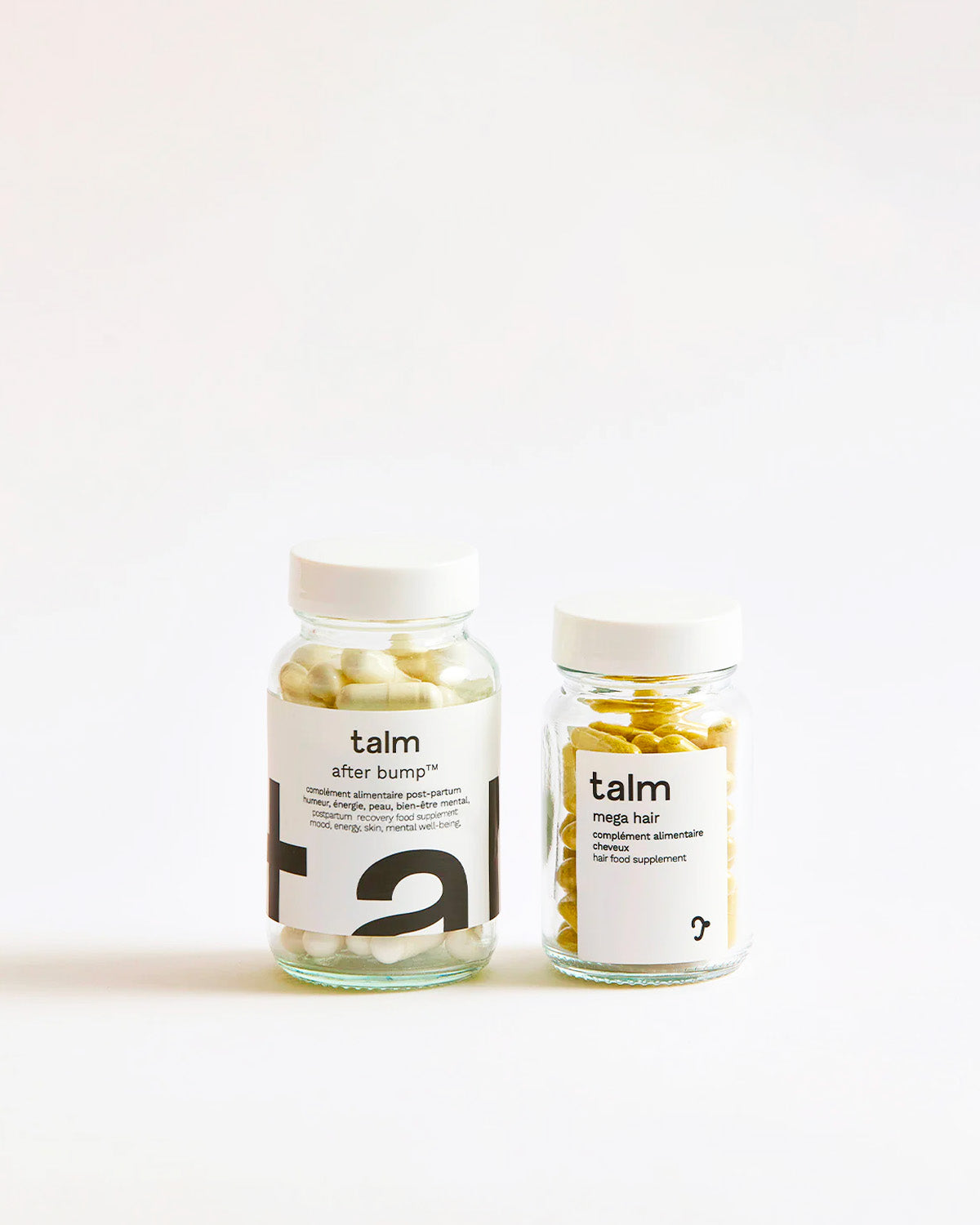
During this period, dietary supplements can provide useful support, in addition to a healthy lifestyle and a varied diet. Some formulas combine biotin, zinc, B vitamins, stinging nettle, blueberry, and acai to support the hair growth cycle and regrowth.
A well-formulated supplement can help support the hair shaft, the scalp, and nutrient intake, especially when daily dietary intake is insufficient.
The first changes may become noticeable after a few weeks. Generally, a treatment lasting several months allows the hair to follow its natural cycle. Once nutritional balance is restored, regrowth is often denser, more supple, and more even.
Frequently asked questions
Which vitamin deficiency causes hair loss?
When hair loss sets in, people often first think of stress or hormones. However, a vitamin deficiency can also disrupt the hair’s natural balance. Vitamin D is frequently cited, as it plays a role in the follicle’s natural cycle. Vitamin B12, meanwhile, supports cell renewal at the hair bulb. As for biotin (vitamin B8), it plays an important role in keratin production. When the body is deficient in biotin, diffuse hair loss may occur, sometimes accompanied by brittle or dull hair.
This type of hair loss can occur during certain periods of life, such as winter, the postpartum period, or while following a vegetarian diet. In this context, diet plays a key role, but it is not always enough on its own to explain what is happening.
Does hair grow back after an iron deficiency?
Yes, in the vast majority of cases. When you are iron-deficient, hair loss can be significant, but it is most often reversible. Iron is a cornerstone of the hair’s nutritional balance.
Once the deficiency is corrected, regrowth gradually resumes. This requires an appropriate diet and, if necessary, supplementation recommended by a healthcare professional. Improvement takes a little patience: hair grows slowly, and the hair cycle needs time to regain its rhythm.
How can I tell if my hair loss is caused by nutritional factors?
Certain signs may point to a nutritional cause: diffuse and gradual hair loss rather than localized loss, dull hair, brittle hair, brittle nails, or persistent fatigue. These symptoms may also be accompanied by a lack of volume or hair that’s harder to style on a daily basis.
To investigate further, a blood test remains the best way to obtain a clear diagnosis. It allows for the assessment of iron, vitamin D, vitamin B12, and other relevant factors depending on the situation. If diet, a restrictive eating plan, or other nutritional imbalances are to blame, an appropriate course of action can then be implemented.